What’s Scarier: A Colonoscopy Or Cancer?
-

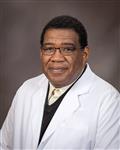
"People don't want to do it, but you have to schedule it. It's something you need and who knows what would've happened to me if I hadn't had my colonoscopy."
Colon Cancer Survivor thanks to a colonoscopy
Should you have a colorectal cancer screening?
Colorectal cancer is a leading cause of cancer death in the United States, according to the American Cancer Society (ACS). But there are steps you can take to help protect yourself.
Regular screening and healthy lifestyle choices can help prevent the disease altogether. If cancer does develop, screening can help detect it early, when it is much easier to treat effectively.
Find it Early
Most colorectal cancers start as abnormal growths, called polyps, on the lining of the intestines. These polyps can be removed before they develop into cancer. Many early colorectal cancers can also be treated successfully. According to the ACS, survival rates drop dramatically once cancer spreads to other parts of the body.
Screening is the best tool for finding polyps or colorectal cancer early. The ACS recommends that people at average risk for colorectal cancer start screening at age 45. Some effective options include:
- Fecal occult blood test every year.
- Stool DNA test every three years.
- Colonoscopy every 10 years.
Your doctor can help you decide which screening program is right for you. If you have risk factors, such as a family history of colorectal cancer, polyps or inflammatory bowel disease, your doctor may recommend that you start screening earlier or be screened more often.
STOP cancer.
GO for your colonoscopy.
Gastroenterologist physicians who perform colonoscopies at Good Samaritan:
|
Naeem Raza, MD
|
Reginald Sandy, DO
|
Oluwagbenga Serrano, MD
|
Surgeons who perform colonoscopies at Good Samaritan: |
||
|
Bradly Vo, MD
|
Allison Thomas, MD
|
Rong Yang, MD
|
Family physicians who perform colonoscopies at Good Samaritan: |
||
|
Victor Kirchoff, MD
|
Scott Stine, MD
|
Will Thompson, III, DO
|